

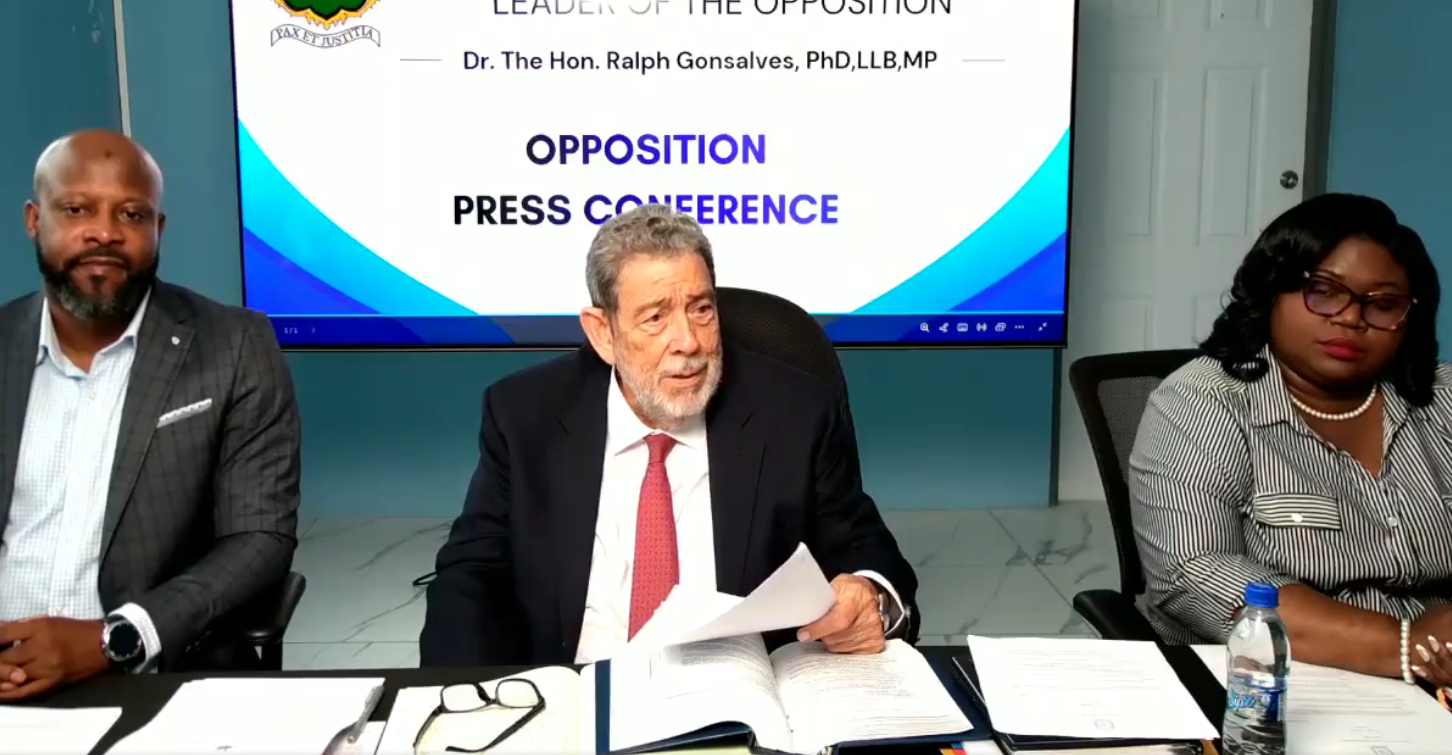
A proposed constitutional amendment is sparking intense political debate, with the parliamentary opposition warning it could open the door for wealthy foreign nationals to gain political control of the country.
The controversy centers on a bill that seeks to retroactively amend the Constitution by removing all 55 Commonwealth nations from the definition of a “foreign power.” According to opposition leader Ralph Gonsalves, this change could create a legal pathway for individuals who acquire citizenship through Citizenship by Investment (CBI) programmes to run for public office — including seats in parliament.
At a highly publicized press conference, opposition figures outlined what they described as a “dangerous loophole” in the proposed legislation. They argue that wealthy individuals with no historical or cultural ties to St. Vincent and the Grenadines could leverage financial resources to influence elections and policymaking.
“This is not just a legal technicality — it is a national security issue,” the opposition leader stated. “You are potentially allowing external actors to gain political power and pursue agendas that may not align with the interests of Vincentians.”
The concern, they say, is not hypothetical but a foreseeable outcome in a global environment where citizenship can be acquired through investment schemes.
Beyond political implications, the opposition also warned of economic consequences. They accused the government of undermining judicial authority and creating legal uncertainty — factors that could deter both local and foreign investment.
“Nobody wants to invest in a country where the government acts arbitrarily or appears to override the courts,” the opposition leader said. “This kind of instability leads directly to fewer jobs, reduced growth, and hardship for ordinary citizens.”
Analysts note that investor confidence is closely tied to perceptions of rule of law and institutional independence, both of which the opposition claims are at risk.
In an effort to elevate the issue beyond domestic politics, the opposition has reached out to several international organizations. Letters outlining their concerns have been sent to the Secretary-General of the Commonwealth, the Organization of American States (OAS), and CARICOM leaders.
They argue that the proposed amendment may violate the CARICOM Charter of Civil Society and could damage the country’s standing in the international community.
While the government has defended its legislative agenda broadly, it has not directly addressed all the specific concerns raised by the opposition regarding the long-term implications of the amendment.
As debate intensifies, many see the bill as a defining moment for governance in St. Vincent and the Grenadines — one that could shape the balance between economic opportunity, national sovereignty, and democratic integrity for years to come.
