

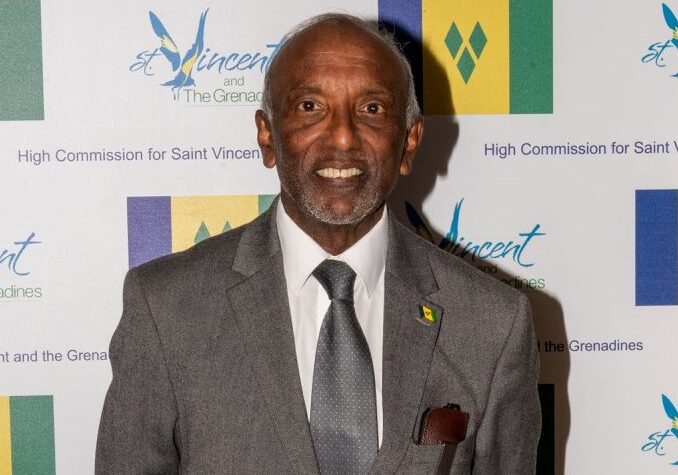
The High Commission of St Vincent and the Grenadines in London is facing growing criticism from Vincentians in the United Kingdom, following persistent reports of poor service delivery, lack of communication, and what many describe as a culture of unprofessionalism that has gone unchecked for years.
Cliplet News has conducted its own investigation after receiving multiple complaints from Vincentians who rely on the London mission for essential consular services, including passport renewals, documentation, and general enquiries. The findings point to deep-rooted administrative failures that raise serious questions about leadership, oversight, and the continued suitability of current staff at the mission.
A Mission Many Say Is Failing Its Purpose
The SVG High Commission, located at 10 Kensington Court, London, is meant to serve as a lifeline for Vincentians living abroad. Instead, numerous individuals report being unable to reach the office by phone for weeks or months at a time, unanswered correspondence, and dismissive or hostile interactions when contact is eventually made.
Several Vincentians told Cliplet News that repeated calls go unanswered or are diverted without follow-up. Emails reportedly receive no acknowledgement, even when the matters involve time-sensitive documentation affecting employment, travel, or immigration status.
One Vincentian based in London described the situation bluntly:
“You begin to wonder if anyone is actually working there. It is embarrassing and frustrating. This is supposed to represent our country.”
Delays, Excuses, and No Accountability
Beyond communication failures, there are troubling reports of excessive delays in processing applications. In one case brought to Cliplet News’ attention, an application was reportedly held for several months with no updates, only to be met with explanations about workload and staffing pressures.
Affected individuals say these explanations offer little comfort, particularly when livelihoods and legal obligations are at stake. Many argue that if the office cannot manage its workload, that in itself is evidence of administrative collapse.
“If you cannot cope, then you should not be in the position,” one complainant said. “This is people’s lives, not paperwork you can ignore.”
A Longstanding Problem, Not an Isolated One
What is most concerning is that these issues are not new. Complaints span several years, suggesting a pattern rather than isolated incidents. Despite changes in government over time, the problems at the London mission appear unresolved.
This has led to increasing calls from the diaspora for a full review of the High Commission’s operations, including staffing levels, performance standards, and leadership effectiveness.
Calls for Resignation and Staff Replacement
As public frustration grows, so too do demands for decisive action. Many Vincentians in the UK are now openly calling for the High Commissioner to resign or be recalled, arguing that the current leadership has failed to ensure even basic standards of service.
Additionally, there are strong calls for the removal and replacement of current staff, with critics insisting that a modern diplomatic mission requires competent, responsive, and professional personnel.
“We need people who understand service, accountability, and urgency,” one Vincentian living in UK told Cliplet News. “This cannot continue.”
A Matter of National Image
Observers note that the situation extends beyond inconvenience—it affects the international image of St Vincent and the Grenadines. Diplomatic missions are often the first and most visible representation of a country abroad. Persistent dysfunction, critics argue, reflects poorly on the nation as a whole.
The Way Forward
Cliplet News understands that diplomatic missions operate under pressure. However, sustained dysfunction without corrective action is not acceptable — especially when citizens are left stranded, uninformed, and disrespected.
This article is a commentary and represents the editorial position of Cliplet News. The views expressed are based on information gathered through investigation and reflect concerns raised by members of the Vincentian diaspora.
