



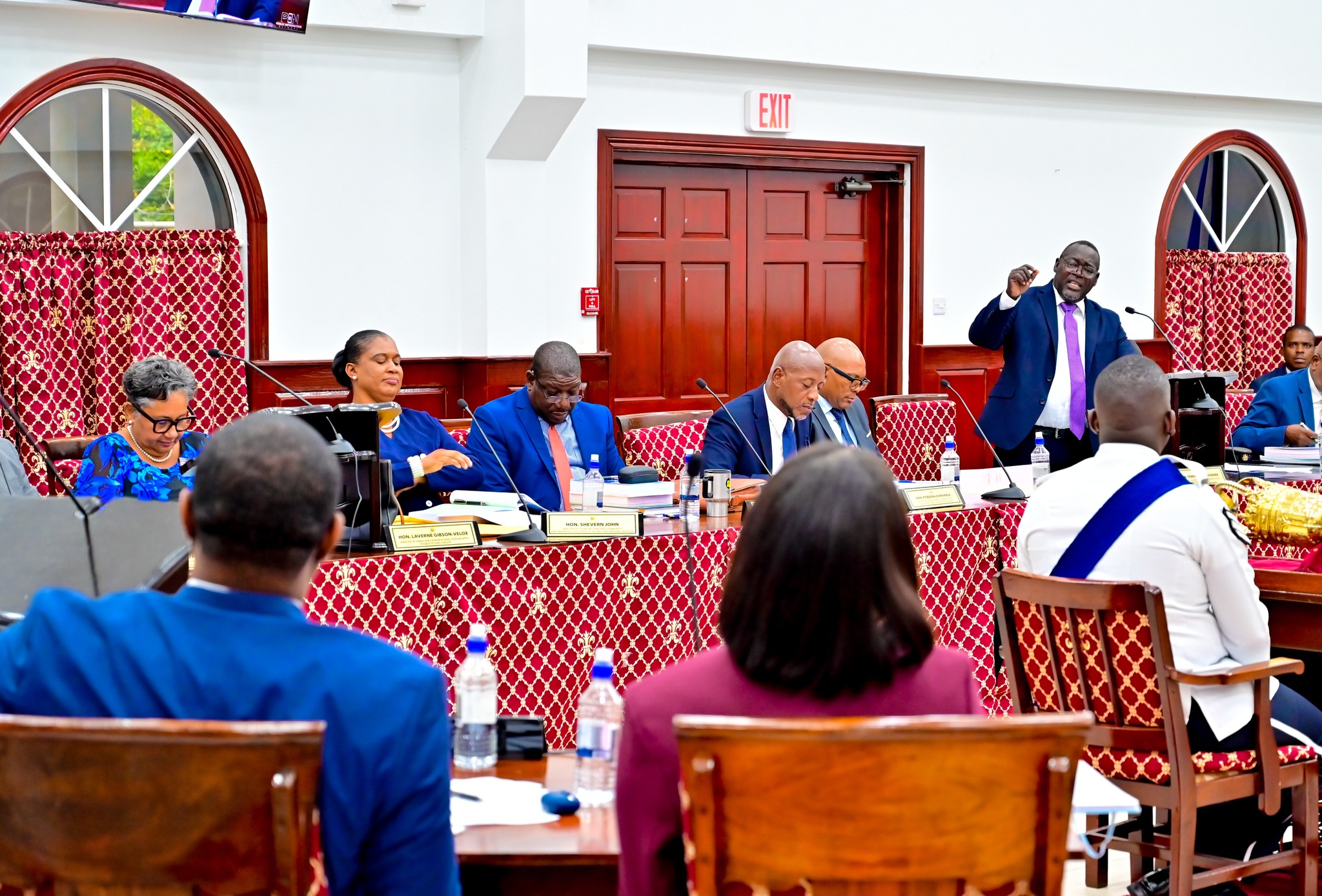
In every generation, there comes a time when citizens must pause and remind their leaders of a simple truth: public office is not a reward , it is a responsibility.
Too often, politics is mistaken for prestige. People see the travel, the diplomatic passports, the motorcades, and the public recognition. They see the elevated profile and assume that politics is about status and influence. But governance is not about glamour. It is not about upgrading one’s lifestyle or distancing oneself from the electorate.
Politics is service.
When an individual is elected to sit in Parliament, they do so because the people of their constituency placed their trust in them. That trust is sacred. It is not a personal achievement badge to display; it is a duty to fulfill with humility, discipline, and MATURITY !
Under the Unity Labour Party (ULP) administration, many citizens voiced concerns about arrogance and disregard among certain officials. While there were honorable exceptions, the frustration expressed by the public was significant. Today, under the New Democratic Party (NDP) administration, similar sentiments are being heard.
That should concern every elected official and every Vincentian, regardless of political affiliation.
When one chooses to enter public life, one must develop what we colloquially call “a broad back.” Criticism is inevitable. Some will be harsh; some will be constructive. But constructive criticism is not an attack, it is feedback from the very people you serve. A mature leader listens. A wise leader reflects. An effective leader grows.
At the same time, citizens must also understand that constructive criticism should be accompanied by constructive solutions. It is easy to point out problems; it is more powerful to help solve them. A healthy democracy thrives when people not only identify issues but also bring forward thoughtful, practical recommendations. Those who are governing should be more than receptive to engaging individuals and groups who come prepared with solutions. Dialogue should not be feared, it should be welcomed. Partnership between government and citizens strengthens the nation.
It must also be remembered that politicians are paid with taxpayers’ dollars. This means they are employed by the people. They are accountable to the people. And accountability requires accessibility.
Constituents should not feel ignored. Messages should not go unanswered indefinitely. Calls should not be treated as inconveniences. If an elected representative is too occupied to respond personally , which is understandable, then systems must be put in place. Hire a secretary. Appoint an executive assistant. Establish a dedicated constituency line. Set up automated acknowledgements. Communication is not optional in leadership; it is foundational.
Many observed that even critics of Ralph Gonsalves would acknowledge his accessibility. Agree or disagree with his policies, but he engaged. He answered. He showed up. Accessibility matters.
Leadership is not about superiority. It is about stewardship.
If elected officials begin to believe that their position places them above the electorate, democracy begins to erode. If criticism is met with hostility rather than reflection, trust begins to weaken. And when trust weakens, governance suffers.
The people of Saint Vincent and the Grenadines are speaking. Their concerns are not partisan; they are principled. They are asking for humility, responsiveness, collaboration, and genuine representation.
This is not an attack on any individual. It is a reminder to all.
Public office is a sacred trust.
You represent the people.
You work for the people.
The people do not work for you.
And that must never be forgotten.

1 Comment
vp4qyk