



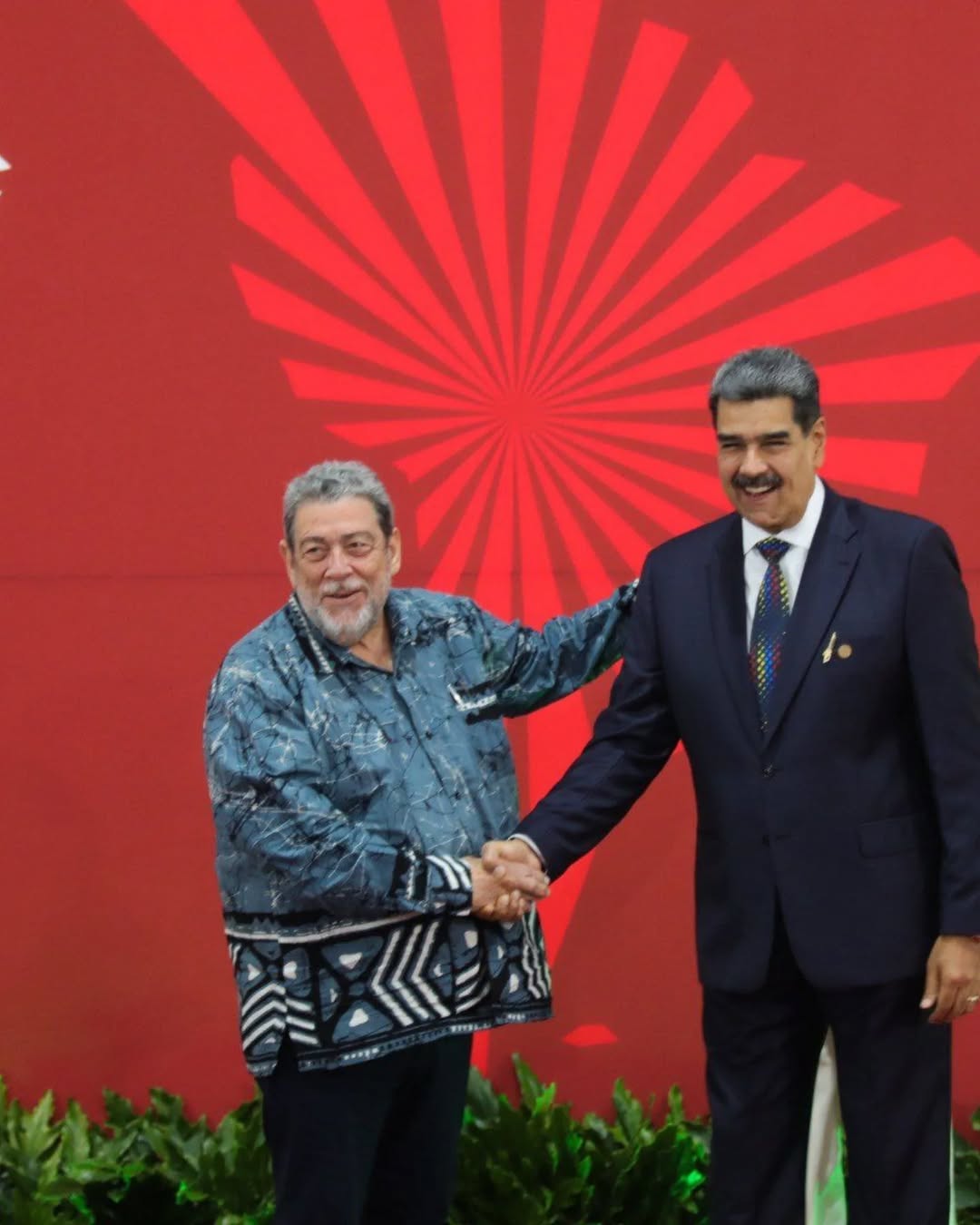
U.S. prosecutors have alleged that politicians across parts of the Caribbean were tied to a vast cocaine trafficking network that moved drugs from South America toward the United States, according to a newly unsealed superseding indictment filed in federal court in New York.
The filing, released by the U.S. Department of Justice, describes what authorities say was a transnational narcotics operation built on corruption, protection payments, and political influence. The indictment names multiple alleged conspirators and includes accusations against Venezuelan President Nicolás Maduro, who U.S. authorities say is now in U.S. custody.
According to prosecutors, cocaine traffickers relied on political protection along key Caribbean transit routes, paying officials to avoid arrest and allowing preferred operators to move shipments through ports, airspace, and territorial waters without interference. The indictment claims this protection enabled traffickers to operate “with impunity” as cocaine flowed north toward U.S. markets.
The case was filed in the U.S. District Court for the Southern District of New York and outlines what prosecutors describe as a supply chain stretching from coca producers in Colombia to transporters and distributors in Venezuela, with Caribbean islands serving as critical transshipment points. U.S. authorities allege corruption was embedded at nearly every stage of the operation, enriching traffickers and political figures alike.
Investigators say Venezuela became a central hub for cocaine trafficking beginning around 1999, using its geographic position between Colombia and the Caribbean Sea. By about 2020, U.S. estimates suggest that between 200 and 250 metric tons of cocaine were moving through Venezuela each year, much of it ultimately destined for the United States.
From there, shipments were allegedly transported north using go-fast boats, fishing vessels, container ships, and aircraft. Prosecutors say clandestine airstrips, commercial airports, and maritime routes across the Caribbean played a key role in breaking up and redistributing shipments closer to U.S. shores.
A regional security source familiar with Caribbean aviation told investigators that a Venezuelan aircraft allegedly linked to the Maduro government was observed landing multiple times at George Charles Airport under cover of darkness and outside publicly available flight schedules. The source claimed the activity spanned multiple administrations in St. Lucia.
The indictment alleges that politicians along Caribbean routes accepted cocaine-linked payments to shield traffickers from law enforcement scrutiny. Prosecutors say those funds were then used to maintain and expand political power, creating a cycle in which drug profits and governance became increasingly intertwined.
U.S. authorities further allege that senior figures within Venezuela’s government partnered with major criminal and armed groups, including Colombian guerrilla organizations and Mexican drug cartels, allowing trafficking profits to flow to political and military elites while empowering violent networks operating across borders.
The allegations have renewed concerns about governance and security vulnerabilities in the Caribbean, particularly as transnational criminal organizations continue to exploit weak oversight and limited enforcement capacity. Regional leaders have previously warned that organized crime poses a serious threat to political stability and public institutions.
U.S. officials stressed that the allegations contained in the indictment are accusations, not convictions, and that all defendants are presumed innocent unless proven guilty in court. Several individuals named in the case remain outside U.S. jurisdiction.
Prosecutors say the case represents one of the most ambitious U.S. efforts to connect large-scale cocaine trafficking with political corruption across the region, arguing that dismantling these networks requires holding both traffickers and their alleged protectors accountable.


3 Comments
Planes frequently landed in the Grenadines at night , and also at AIA in St. Vincent after the airport was closed during the ULP Administration
3ogftm
4oqqiw