



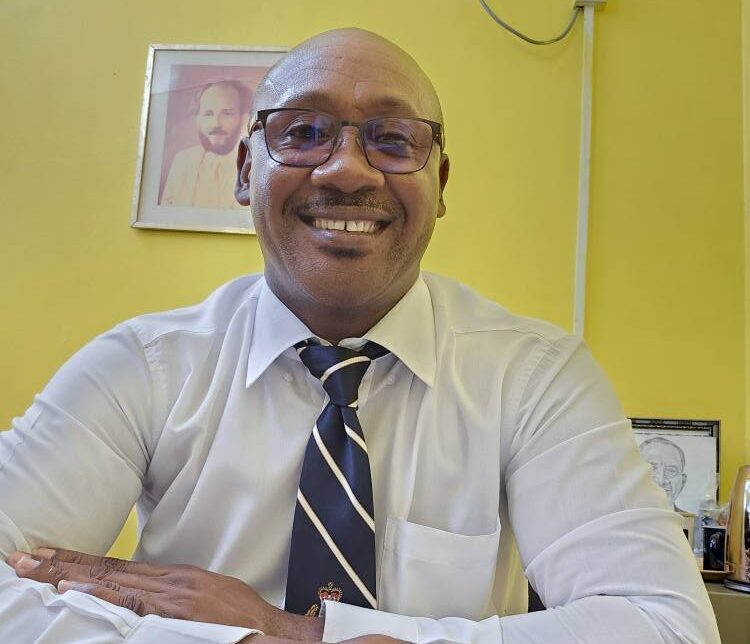
A remarkable and increasingly public movement is unfolding across St. Vincent and the Grenadines (SVG). On social media, in community circles, and in conversations across the islands, one name has risen to the forefront of national discussion: Brenton Smith.
Once a long-serving police officer and former head of the Police Welfare Association, Smith has unexpectedly become the figure many Vincentians are calling to lead the Royal St. Vincent and the Grenadines Police Force (RSVGPF) as its next Commissioner.
This wave of support did not originate from political halls or official committees. It began, instead, among ordinary citizens — those who interact daily with issues of crime, public trust, and policing culture. Their message has been consistent: the next Commissioner should be someone who understands both the public and the rank-and-file officers who serve them.
For many, that person is Brenton Smith.
Smith’s 27-year career in the RSVGPF is well documented. He rose through the ranks to Station Sergeant and, more notably, became one of the country’s most vocal advocates for police welfare.
His tenure as head of the Police Welfare Association was marked by persistent calls for improved working conditions, better housing for officers, fair promotion practices, and attention to the mental and physical stresses faced by frontline personnel.
At times, his advocacy placed him at odds with the establishment. His eventual dismissal under the government’s COVID-19 vaccine mandate cemented his reputation as an officer willing to stand by principle, even at personal cost.
Supporters today cite that moment as evidence of independence — a quality they believe is crucial for anyone aspiring to lead a national police force.
The RSVGPF, like many police organisations in the region, faces a widening trust deficit. Rising crime concerns, strained community-police relations, and internal morale challenges have sharpened calls for transformative leadership.
For many Vincentians, the next Commissioner must be:
- Accountable
- Transparent
- Connected to the workforce
- Uncompromised by political pressure
Smith’s supporters argue that he meets all four criteria. They point to his long record of speaking openly about internal conditions and structural weaknesses — issues that often remain buried inside police institutions.
Public commentary reflects a sentiment that the force requires a leader who is not only experienced but trusted by the public and respected by those he would lead.
Smith’s appeal is rooted not only in professional experience but also in public perception. Few former officers command the same degree of grassroots support.
His leadership style — characterised by direct engagement, frank assessments, and willingness to challenge internal shortcomings — resonates with a population weary of bureaucratic distance.
In essence, the public is not asking for a ceremonial leader. They are asking for a reformer.
Any serious consideration of Smith must address the concerns raised by critics:
- His dismissal over the vaccine mandate may raise questions for some about compliance with national directives.
- His transition from advocacy to institutional command would require balancing assertiveness with administrative diplomacy.
- His recent visibility in civic and political conversations may trigger debates about impartiality.
Yet, these concerns exist alongside a strong argument that the force may benefit from a Commissioner unafraid to challenge outdated systems and initiate overdue reform.
What makes the public’s call for Smith noteworthy is not only the individual being championed, but the broader message it carries: Vincentians want to participate in shaping the future of their policing.
The appointment of a Commissioner is not a popularity contest — but neither should public sentiment be dismissed. In a democracy, legitimacy is built on trust, and trust is built on listening.
The growing call for Brenton Smith reflects a constituency that is asking for leadership rooted in experience, humility, and a willingness to confront the realities officers and communities face every day.
Whether or not Brenton Smith ultimately becomes Commissioner, the groundswell of support surrounding his name reveals a profound desire for police reform in St. Vincent and the Grenadines.
If the RSVGPF and the governing institutions wish to restore public confidence, they must acknowledge this moment — not as a passing trend, but as a genuine demand for accountability, fairness, and modern leadership.
In that conversation, Brenton Smith occupies a central, unavoidable place.
This article reflects public discussion and commentary surrounding the possible succession of the Governor-General. No official announcement has been made, and the appointment of a Governor-General is determined in accordance with the Constitution.


